
07 July 2026 · By Velnora Studio
Genuine leather rewards a small amount of care with years of extra life and a better appearance over time. The good news is that proper leather bag care is simple and does not require constant attention — a few consistent habits protect your investment far more than any single deep-clean. This guide covers exactly what to do, and what to avoid.
Most leather damage happens through small, repeated habits rather than a single incident. Avoid setting your bag directly on rough or wet surfaces, be mindful of sharp objects inside the bag that can scratch the interior lining, and try not to overstuff it regularly, which stresses seams and stitching over time. None of this requires effort — just a little awareness.
For everyday dust and light dirt, a soft, dry cloth wiped gently over the surface is usually all that is needed. For slightly more stubborn marks, a barely damp cloth — genuinely just damp, not wet — followed immediately by a dry cloth to remove any moisture works well. Avoid soaking leather or using household cleaning products, which can strip natural oils and damage the finish permanently.
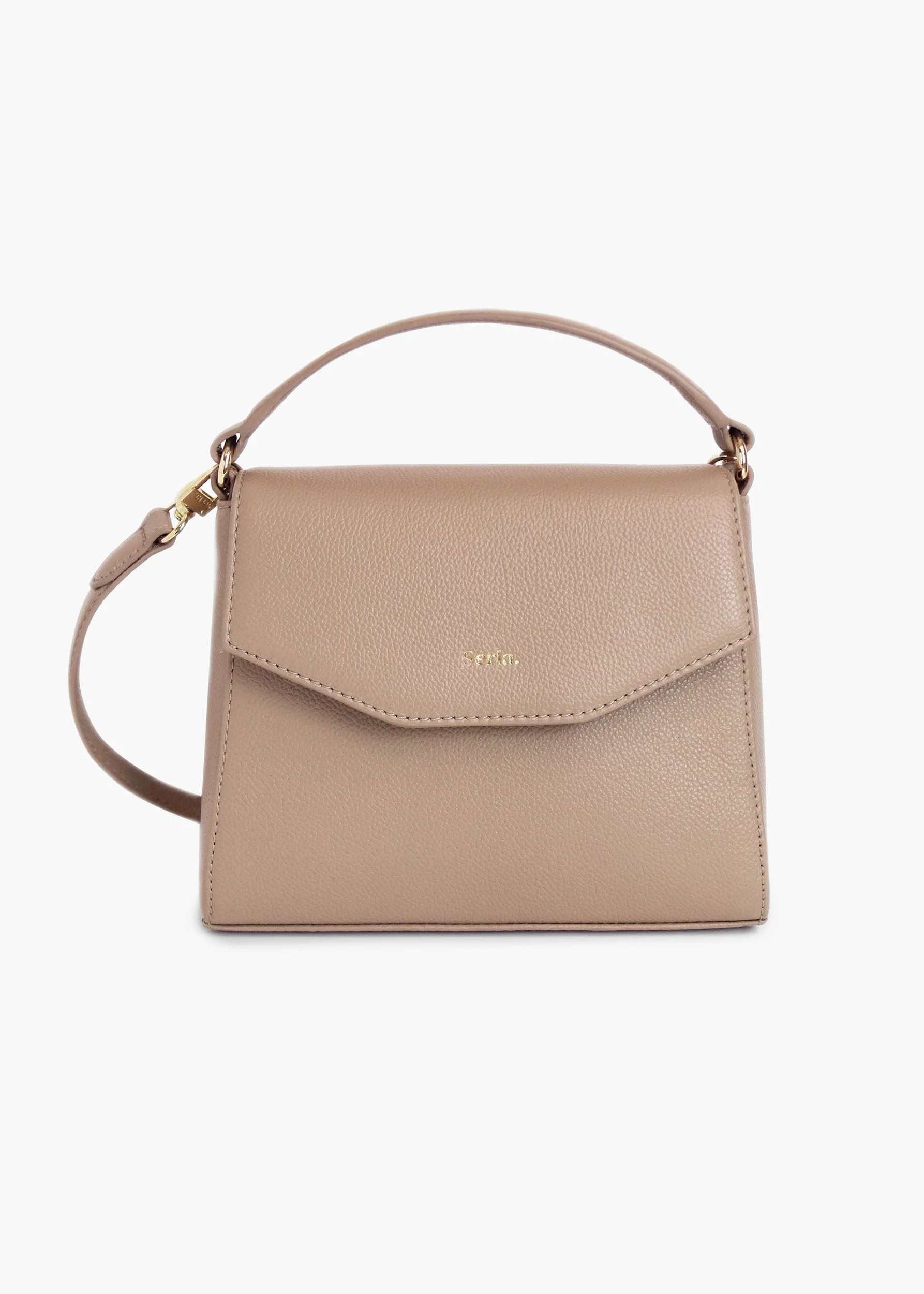
Leather conditioner replaces natural oils that leather loses over time, keeping it supple rather than letting it dry out and eventually crack. Applying a quality leather conditioner every few months — more often in hot, dry climates — is the single highest-return habit for long-term leather care. Bags like the LYRA Leather Top Handle Crossbody Bag are built from leather that responds particularly well to regular conditioning, developing a rich patina rather than drying and cracking.
If your bag gets caught in rain, blot excess water immediately with a dry cloth — never rub, which can push moisture deeper into the leather. Let the bag air-dry naturally, away from direct heat or sunlight, which can cause leather to dry unevenly and crack. For stains, address them as soon as possible with a barely damp cloth, and for anything stubborn, a professional leather cleaner is a safer bet than experimenting with household products.
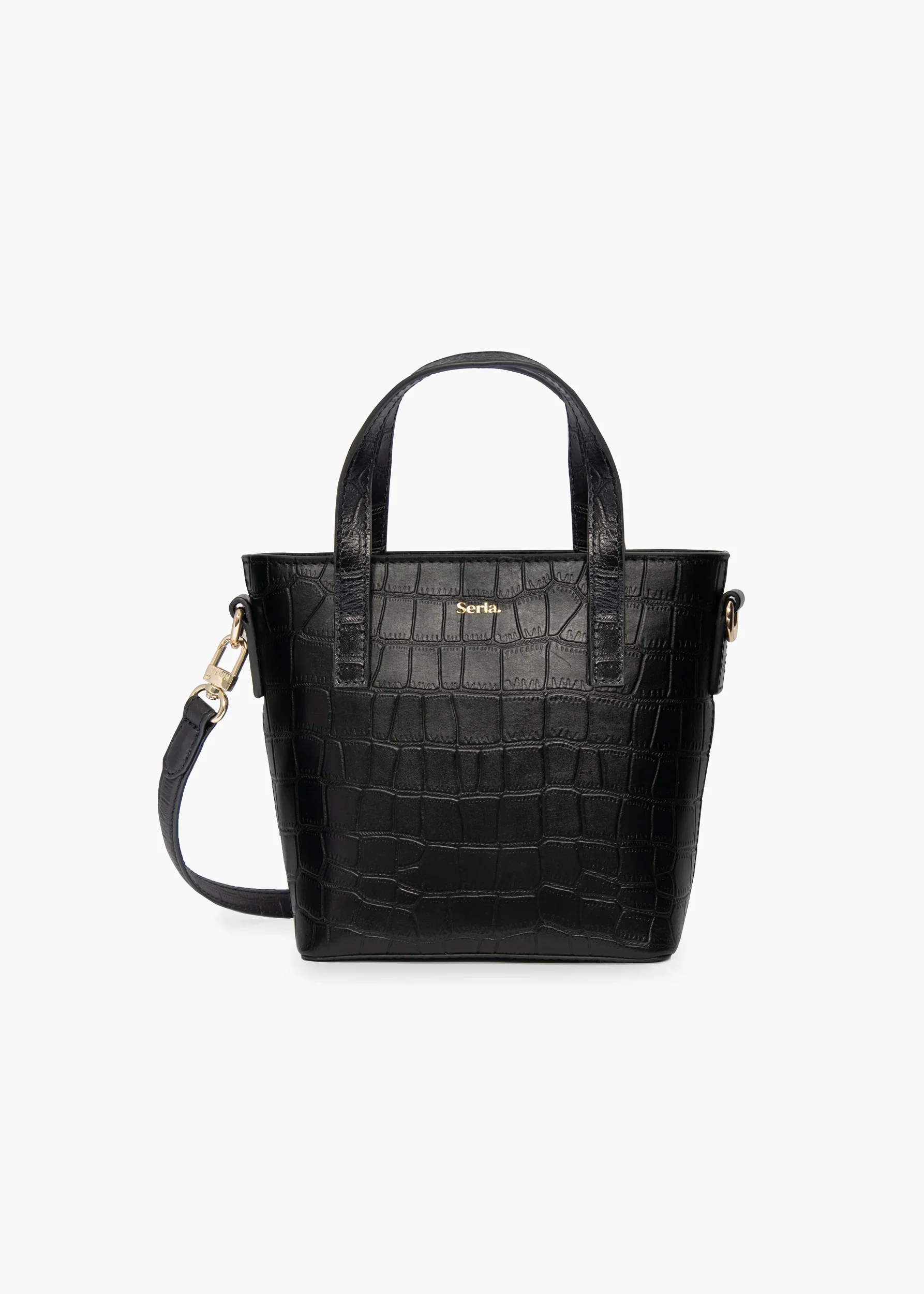
How you store a bag when you are not using it matters more than most people realise. Stuff the bag lightly with tissue paper or a soft cloth to help it hold its shape, keep it away from direct sunlight which fades leather over time, and store it in a breathable dust bag rather than plastic, which can trap moisture and cause mildew. A structured piece like the NOVA Women's Croc Leather Grab Bag particularly benefits from shape-preserving storage between uses.
Metal hardware benefits from an occasional gentle wipe to remove fingerprints and everyday grime, which helps prevent tarnishing over time. Avoid harsh metal polishes directly on hardware attached to leather, since these can stain or damage the surrounding material — a soft, dry cloth is usually sufficient.
How often should I condition a leather bag?
Roughly every two to three months for normal use, more frequently in hot or dry climates where leather dries out faster.
Can I use baby wipes to clean a leather bag?
It is best avoided — many contain alcohol or chemicals that can dry out or discolour leather. Stick to a barely damp soft cloth or a dedicated leather cleaner.
What should I do if my bag gets rained on?
Blot excess water immediately with a dry cloth, then let it air-dry naturally away from direct heat, followed by conditioning once fully dry.
Is plastic or fabric better for long-term storage?
A breathable fabric dust bag is better than plastic, which can trap moisture against the leather and lead to mildew over time.
Every piece in our bags collection is made from genuine leather that responds beautifully to this kind of simple, consistent care.
Leather care needs shift with the seasons, and adjusting your routine accordingly extends a bag's life meaningfully. In hot, dry conditions, leather loses moisture faster, so conditioning every six to eight weeks rather than the standard two to three months helps prevent cracking. In humid conditions, focus shifts slightly toward ensuring the bag has adequate airflow in storage to prevent any risk of mildew on the lining.
Minor scuffs on genuine leather are often less permanent than they first appear — a small amount of leather conditioner gently worked into a light scuff frequently reduces its visibility considerably, since it is often more a disturbance of the surface than a true colour loss. For anything beyond a light surface mark — a deep scratch, a tear, or hardware damage — a professional leather repair service is a better route than attempting a DIY fix that could worsen the damage. Bags built with quality leather and construction, like the LYRA Leather Top Handle Crossbody Bag, are generally more repairable than lower-quality alternatives precisely because the underlying material and construction support proper restoration work.
Travel is one of the more demanding contexts for a leather bag — temperature changes, being packed alongside other items, and general handling all increase wear risk. When travelling, avoid packing a leather bag tightly against sharp-edged items, keep it away from direct exposure to aircraft cabin heat vents which can dry leather unusually fast, and consider a light conditioning application before and after a longer trip if the bag will see heavy use.
The habits in this guide work best as a light, recurring routine rather than an occasional deep-clean project. A five-minute wipe-down after regular use, a conditioning session every couple of months, and thoughtful storage between uses is genuinely all it takes to keep a quality leather bag looking excellent for years. Treat it as maintenance, not a chore, and the payoff — a bag that ages beautifully rather than wearing out — is well worth the small, consistent effort.
Every piece in our bags collection is built from leather that responds well to exactly this kind of routine care.
Certain common household products can genuinely damage leather and should be avoided entirely. Baby wipes, alcohol-based cleaners, and most all-purpose household cleaning sprays can strip natural oils, dry out the leather, or cause discolouration. Similarly, avoid direct sunlight for extended periods, which fades leather colour unevenly over time, and avoid storing a leather bag in an airtight plastic bag, which can trap moisture and lead to mildew.
Rather than treating leather care as an occasional emergency response, building it into a simple monthly ritual keeps a bag consistently in excellent condition. Set aside ten minutes once a month: wipe the bag down thoroughly with a dry, soft cloth, check the hardware for any early signs of tarnish, inspect stitching at stress points for early fraying, and apply conditioner if it has been more than two months since the last application. This small, consistent investment of time is what separates bags that look excellent after years of use from those that show their age prematurely.
For a genuinely well-made leather bag that has developed more significant wear, professional leather restoration is often worth the cost, particularly for a piece you have real attachment to. A skilled leather restorer can often refresh colour, recondition dried leather, and repair structural issues in ways that meaningfully extend a bag's useful life well beyond what home care alone can achieve.
For a genuinely valued piece, keeping a simple note of when you last conditioned it helps maintain consistency, since it is easy to lose track of timing otherwise. A note in your phone with the date of each conditioning session is a small habit that keeps your care routine reliably on schedule.
The UAE's climate presents a particular combination of high heat and often low humidity for much of the year, both of which accelerate the natural drying of leather compared to more temperate climates. This makes the conditioning routine covered in this guide genuinely more important locally than in cooler, more humid regions, and it is worth erring toward the more frequent end of the conditioning schedule, particularly during the hottest summer months, rather than the standard interval that might apply elsewhere.
A less obvious factor worth knowing: prolonged exposure to strong, direct air conditioning airflow, such as sitting directly under a vent in a car or office, can also contribute to leather drying out over time, similar to natural heat exposure. Where practical, avoiding leaving a leather bag positioned directly in strong AC airflow for extended periods is a small habit that supports the same goal as regular conditioning.
The cumulative effect of consistent, simple care is significant. A bag cared for using the habits in this guide can genuinely look better after two years of use than an uncared-for bag looks after two months, thanks to the natural patina genuine leather develops when properly maintained. This is part of why pieces like the NOVA Women's Croc Leather Grab Bag continue to earn strong reviews well after purchase — customers who apply basic care see their bag improve with age rather than deteriorate.