
07 July 2026 · By Velnora Studio
Understanding how a genuine leather bag is actually made changes how you shop for one — you start noticing the details that separate real craftsmanship from a bag that only looks the part in a photograph. This guide walks through the process, step by step, and connects each stage to what you should look for as a buyer.
Before any cutting or stitching happens, the leather itself is selected and graded. Full-grain and top-grain leathers — the highest quality tiers — retain the natural texture and strength of the hide, which is why they develop a rich patina over years of use rather than deteriorating. Lower grades are often corrected, sanded or heavily coated to hide imperfections, which sacrifices both durability and that natural ageing quality.
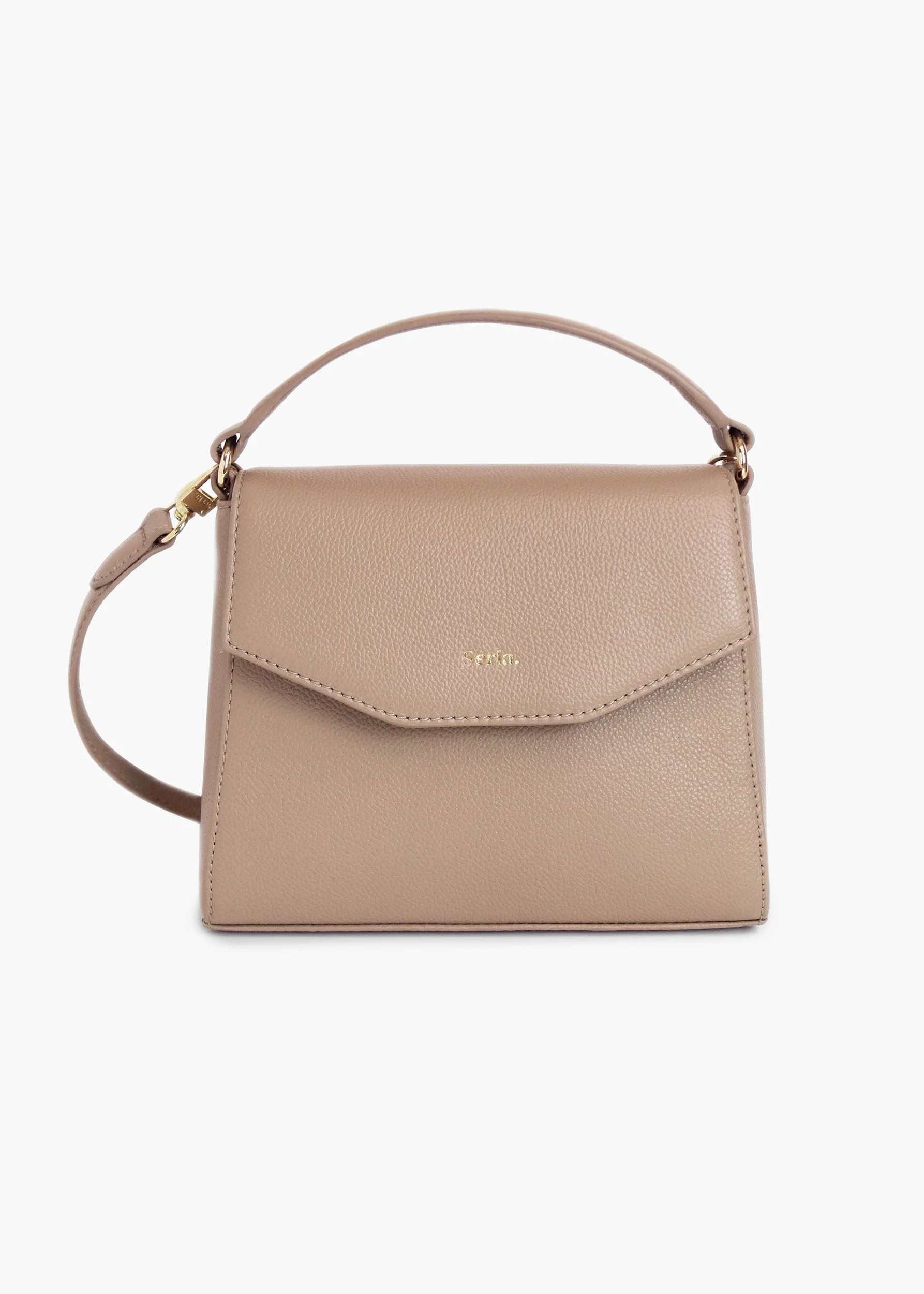
This is the foundation everything else builds on. A bag like the LYRA Leather Top Handle Crossbody Bag begins with genuine, carefully selected leather — which is precisely why it feels and ages the way it does, rather than looking tired within a season.
Once leather is selected, pattern pieces are cut — the panels that will eventually become the body, gusset, straps and lining of the bag. Precision here matters enormously: pieces cut even slightly off-grain or off-pattern lead to a bag that does not sit evenly or age uniformly. Skilled cutting also accounts for the natural variation across a hide, positioning each pattern piece to make the best use of the leather's grain and strength.
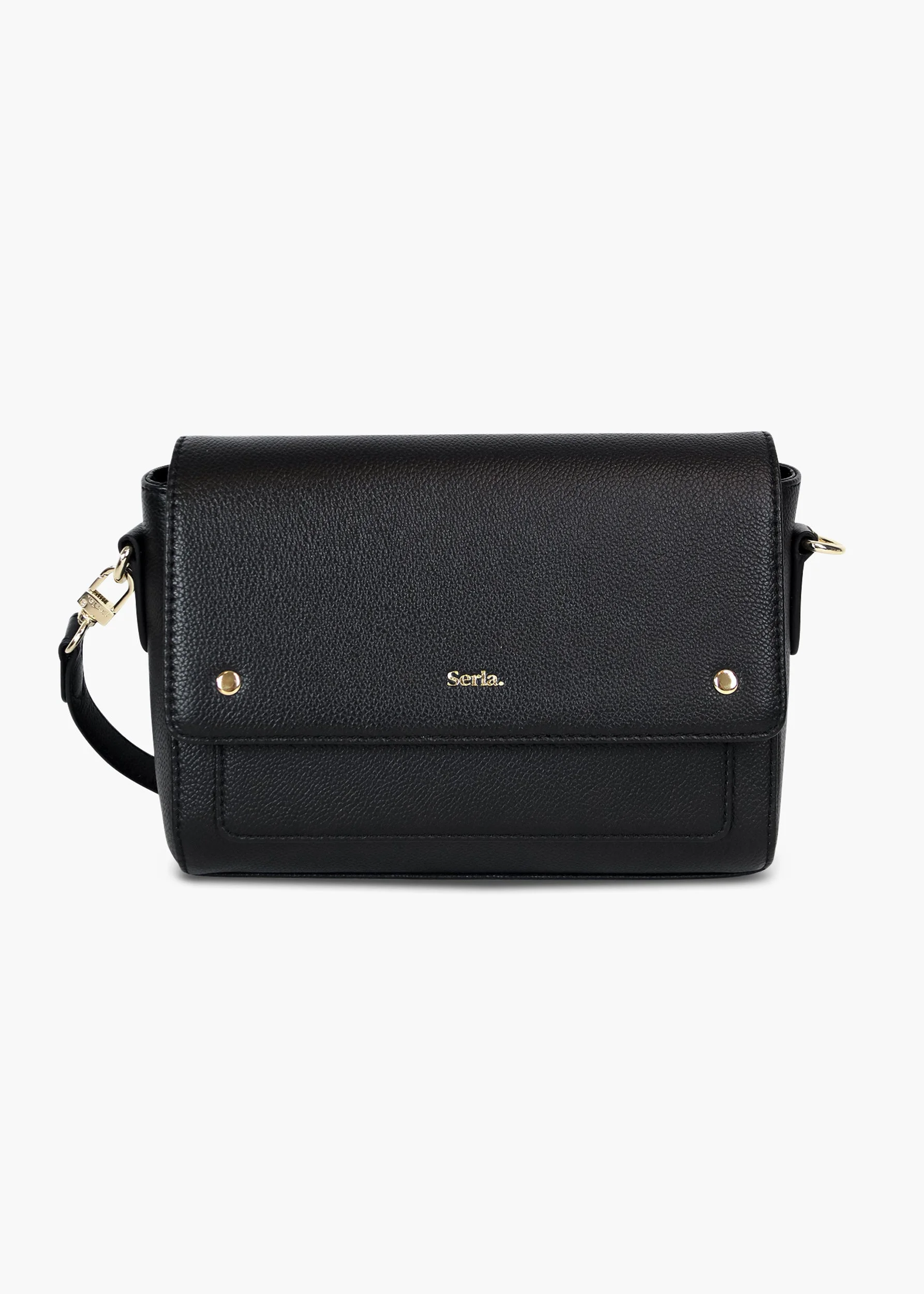
This is where a bag's construction quality becomes most visible. Panels are assembled and stitched, typically with reinforced double-stitching at stress points — handle attachments, base seams, corners — the areas that take the most repeated force over years of use. The CLEO Atelier Premium Leather Grab Bag is a good example of this reinforced construction, particularly at the handle attachments, which is exactly where a poorly made bag fails first.
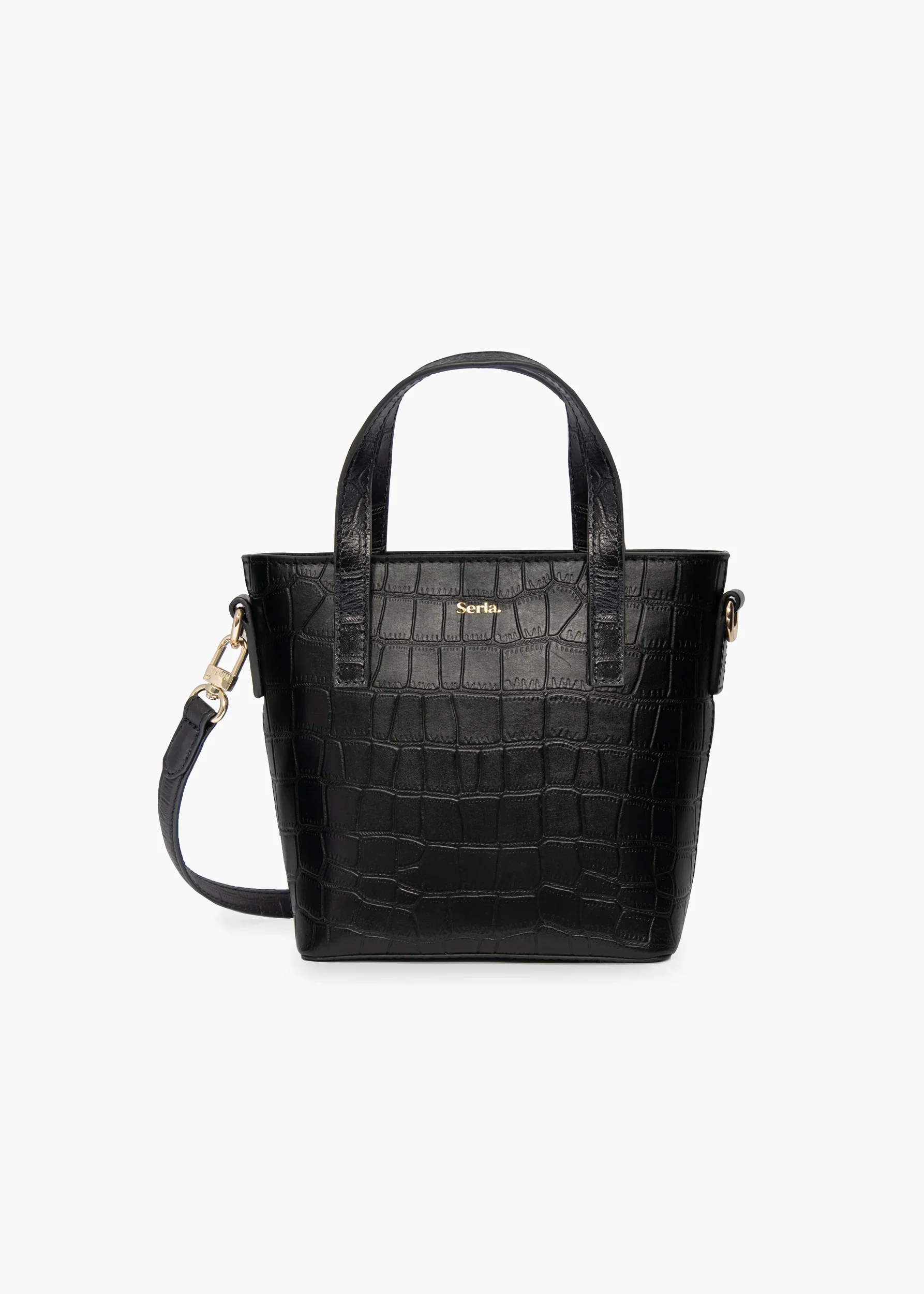
Zippers, clasps, rings and feet are fitted at this stage, and the quality of the hardware itself — as much as how it is attached — determines how the bag performs over years of daily use. Solid metal hardware, properly riveted or sewn rather than simply glued, resists the tarnishing, sticking and breaking that plague cheaper bags within months. The NOVA Women's Croc Leather Grab Bag uses substantial, properly fitted hardware throughout, which is part of why it holds up so well under the kind of daily use our most reviewed pieces see.
The interior lining is fitted and sewn in, ideally with genuinely useful organisation — pockets sized for a phone, cards, keys — built in at this stage rather than as an afterthought. A well-lined interior with clean, even seams is a strong signal of overall build quality, since a manufacturer investing care in a part of the bag customers rarely photograph is usually investing the same care throughout.
In the final stage, edges are finished — often burnished or painted to prevent fraying — and the completed bag is inspected for consistency in stitching, hardware function, and overall shape. This quality-control step is what separates a bag that performs consistently from one where quality varies piece to piece.
Understanding each stage gives you concrete things to check when you are evaluating a bag, rather than relying purely on how it looks in a photo:
Every bag in our collection — from the LUNA Atelier Leather Shoulder Bag to the Étoile Mini Bucket Bag — goes through this same disciplined process, which is why our pieces are built to be carried for years rather than a single season.
Why does genuine leather cost more than faux leather?
Genuine leather requires sourcing, tanning and careful selection of quality hide, plus more labour-intensive construction — costs that faux leather, made from coated synthetic material, does not carry.
How can I tell if hardware is solid or just plated?
Solid hardware has real weight and a consistent finish; plated hardware often feels unusually light and can show a different colour underneath at edges or wear points over time.
Does hand-finishing really make a difference?
Yes — burnished, hand-finished edges resist fraying far better than raw-cut edges, and careful stitching at stress points genuinely extends a bag's usable life.
Is more expensive always better made?
Not automatically, but the specific quality signals in this guide — leather grain, stitching, hardware weight, lining quality — are reliable indicators regardless of price point.
See this craftsmanship in every piece across our bags collection.
While machines assist in many stages of bag production, the final finishing touches — edge burnishing, final stitching checks, hardware alignment — are frequently completed or verified by hand, requiring genuine skill developed over years. This hand-finishing stage is often invisible to a casual observer but is precisely what separates a bag that feels refined in the hand from one that merely looks acceptable in a photograph.
Responsible leather sourcing and production has become an increasingly important part of the craftsmanship story. This includes using leather as a byproduct of the food industry rather than driving separate demand, minimising waste in the cutting process by making efficient use of each hide, and choosing production partners who maintain fair labour standards throughout the process. These considerations sit alongside pure craftsmanship quality as part of what makes a bag genuinely worth its price.
Genuine leather, unlike a uniform synthetic material, naturally contains small variations — subtle differences in grain, minor natural marks from the animal's life, slight colour variation across a hide. These are not defects; they are proof of authenticity, and a bag like the LYRA Leather Top Handle Crossbody Bag will show exactly this kind of natural, individual character rather than the artificial uniformity of a synthetic alternative. If a 'leather' bag looks perfectly, suspiciously uniform with zero natural variation, it is worth questioning whether it is genuine hide at all.
Understanding this process — from leather selection through cutting, stitching, hardware fitting and finishing — changes how you experience owning a genuine leather bag. Each piece represents real material selection judgment and hands-on skill, not simply an assembled product. That craftsmanship is exactly what you are paying for when you choose genuine, well-constructed leather over a mass-produced synthetic alternative.
Experience this craftsmanship for yourself across our bags collection.
Modern quality leather bag production typically blends both machine efficiency and hand skill rather than being purely one or the other. Machines handle tasks like precise cutting and consistent long seams efficiently; hand skill remains essential for tasks requiring judgment, such as fitting hardware precisely, finishing edges, and final quality inspection. This blended approach generally produces the most consistent, highest-quality results.
Many bags are marketed with craftsmanship language that is not always backed by genuine construction quality. The most reliable way to verify these claims is to apply the specific checks covered throughout this guide directly to the bag in question: leather grain and weight, stitching consistency at stress points, hardware solidity, and interior finishing quality. These physical, checkable details tell you far more than marketing language alone.
Choosing bags from makers who invest genuinely in the process described in this guide supports a model of production that values durability and quality over disposable, fast-fashion alternatives. Every purchase in this category is, in a small way, a vote for the kind of craftsmanship you want to see continue.
The next time you handle a leather bag, whether in our collection or elsewhere, take a moment to actually apply the checks in this guide directly, rather than trusting a label or a photo alone. Once you know what genuine craftsmanship feels like in the hand, you will notice the difference immediately and consistently in every future purchase.
Understanding the proper construction process also clarifies what goes wrong when standards are cut to reduce cost. Skipped reinforcement stitching at stress points leads to handle failures within months. Thin, unlined hardware leads to premature tarnishing and breakage. Poor leather selection, disguised with heavy coating, leads to cracking and peeling within a single season of regular use. Recognising these shortcuts, using the checks throughout this guide, protects you from purchases that will disappoint regardless of how appealing they look at first glance.
From the initial selection of hide, through pattern cutting, assembly, hardware fitting, lining and final finishing, a genuine quality leather bag passes through the hands and judgment of multiple skilled stages before it ever reaches a customer. Appreciating this full value chain is part of understanding why genuine construction quality carries a real cost, and why that cost is ultimately justified by years of reliable use rather than being simply a premium for a brand name.
Armed with the understanding from this guide, you are now equipped to evaluate any leather bag, whether from our collection or elsewhere, with a genuinely informed eye rather than relying purely on marketing claims or first impressions. Every piece in our bags collection is built through exactly this disciplined process, which is precisely why our customers report such strong long-term satisfaction with pieces they have carried for years.