
07 July 2026 · By Velnora Studio
A genuinely well-made leather bag is one of the few accessories that gets better with age instead of worse. But with so many options claiming to be 'premium leather,' knowing what actually separates a bag that lasts a decade from one that falls apart in a season takes a trained eye. This guide walks through exactly what to check before you buy, using real examples from our own collection so you can see the difference in practice.
Not all leather is equal, and the type used affects both how a bag looks today and how it ages. Full-grain and top-grain leathers develop a natural patina over time — they soften, deepen in tone, and often look better after a year of use than on day one. Bonded or heavily coated leathers, by contrast, tend to crack and peel because the surface is not genuine hide all the way through.
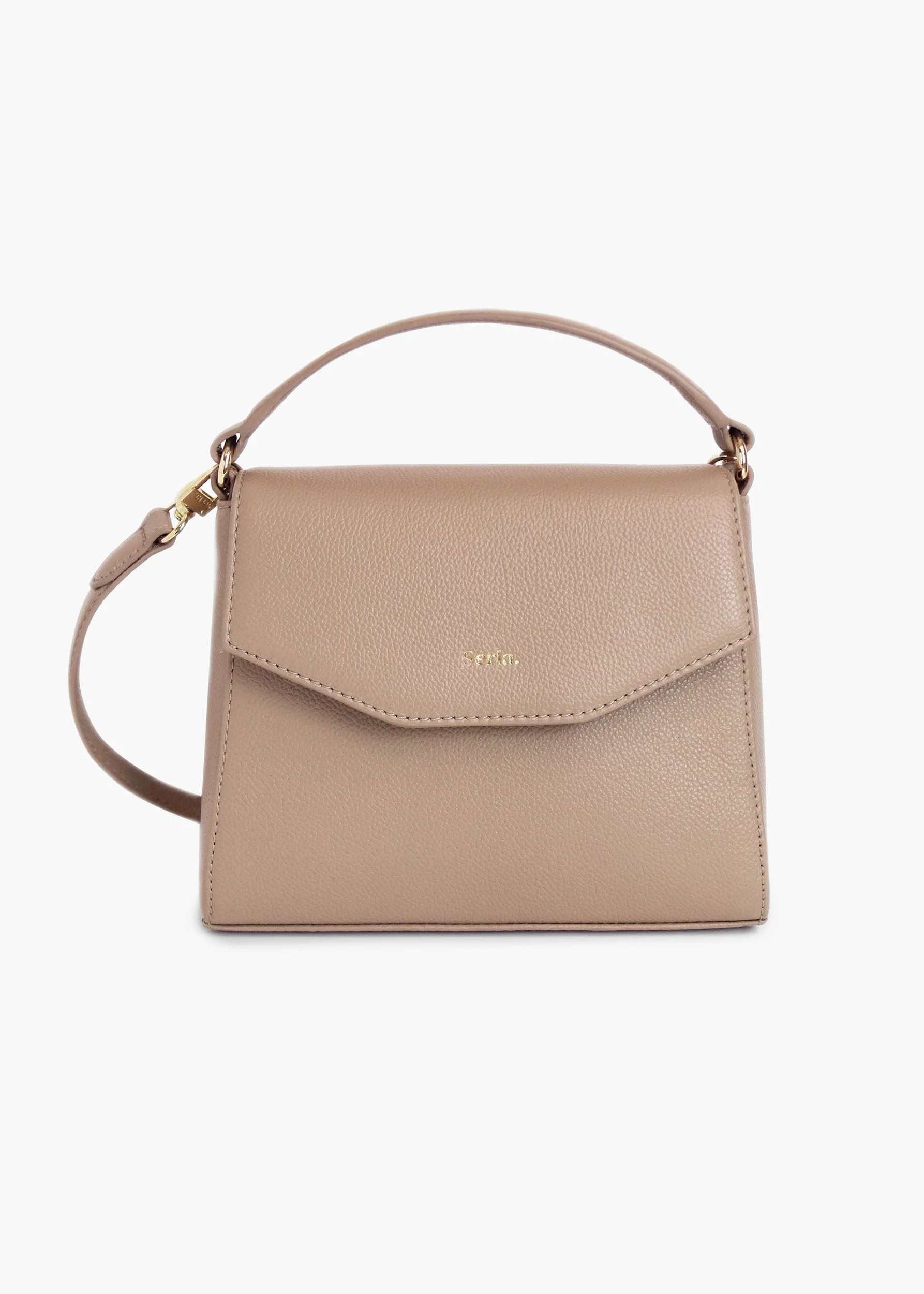
Our LYRA Leather Top Handle Crossbody Bag is a good example of what to look for: a genuine leather build with a smooth, consistent grain and no obvious coating or plastic sheen. Run your hand across a leather bag before buying — genuine leather has a slightly warm, slightly uneven texture; bonded leather feels uniformly smooth and cool, almost like vinyl.

Zippers, clasps, buckles and the metal feet on the base of a bag take more daily wear than almost any other component. Cheap hardware tarnishes within months, sticks, or simply breaks. Quality hardware has weight to it — pick up the bag and the zip pull, clasp and any buckles should feel solid, not light and hollow.
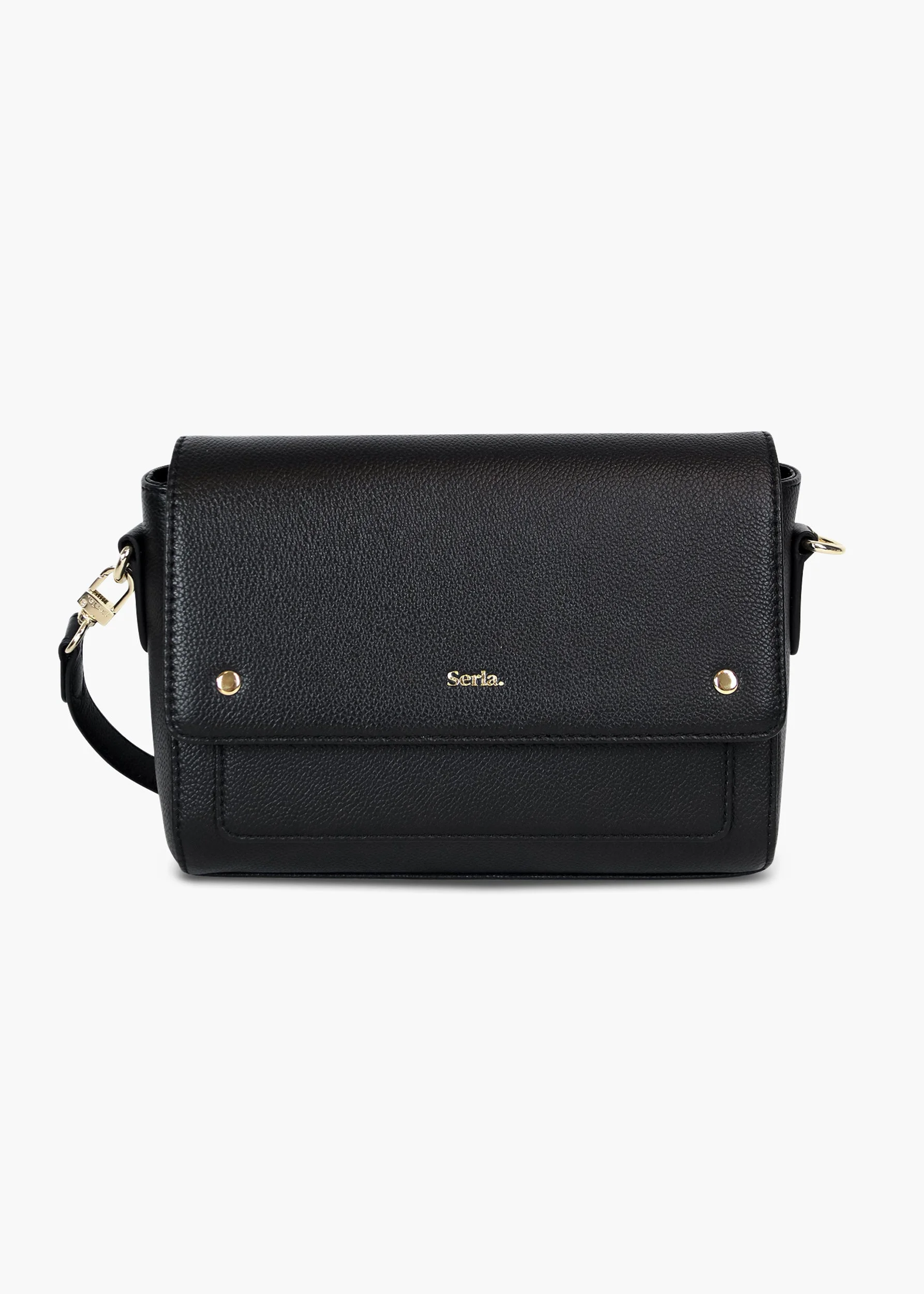
On the NOVA Women's Croc Leather Grab Bag, the hardware is deliberately substantial — the zip pulls and feet are solid metal with a proper finish, which is part of why this bag has become one of our most reviewed pieces. When you're comparing bags, test the zip a few times in the shop or look closely at product photos for hardware that looks thin or plated rather than solid.
Stitching tells you almost everything about how a bag was constructed. Even, tight, consistent stitch lines with no loose threads or skipped stitches indicate careful manufacturing. Look particularly at stress points — where the handle meets the body of the bag, and along the base seams, since these are where a poorly made bag fails first.
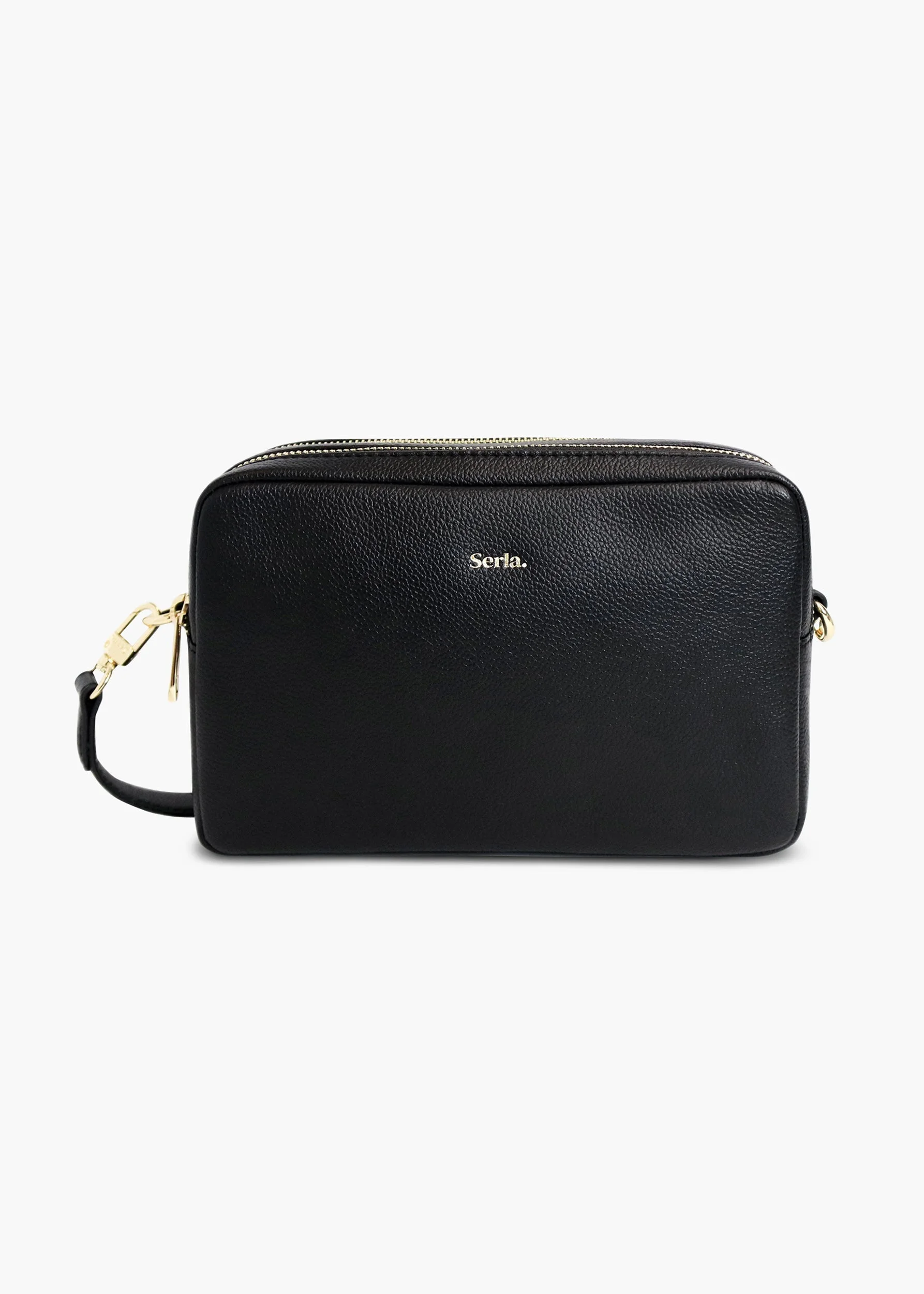
The CLEO Atelier Premium Leather Grab Bag reinforces exactly these stress points with double-stitched handle attachments, which is the kind of detail that separates a bag built to be carried daily from one built to look good in a single photo.
The interior lining affects both durability and daily usability. A well-finished interior — properly sewn seams, a lining fabric that resists fraying, and thoughtfully placed pockets — makes a real difference once you're using the bag every day. Cheap linings often fray at the seams within months and offer no internal organisation at all.
The best bag on paper is the wrong bag if it does not suit your daily routine. A few honest questions help:
How can I tell genuine leather from faux leather online?
Look closely at the grain in product photos — genuine leather has natural, slightly irregular texture and variation, while faux leather often looks uniformly smooth. Check for a genuine leather callout in the product description, and read reviews mentioning the material feel.
Does a higher price always mean better quality?
Not always, but very low prices for 'genuine leather' bags are a red flag — quality hide and proper construction have a real cost floor. Focus on the specific quality signals in this guide rather than price alone.
How long should a well-made leather bag last?
With reasonable care, a genuinely well-constructed leather bag can easily last five to ten years or more, often improving in appearance as the leather develops a natural patina.
What is the single most important thing to check?
If you can only check one thing, check the hardware and stitching at the handle attachment point — this is the highest-stress area on almost any bag and the first place cheap construction fails.
Every bag in our collection is selected against these standards. Browse the full range on our bags collection page to find the piece that fits your leather-quality checklist and your daily life.
Even careful shoppers fall into a few predictable traps when buying a leather bag. Being aware of them in advance saves both money and disappointment.
The first is judging purely from photographs. Lighting, filters and staging can make almost any material look premium in a product photo. Read the material description carefully, check for terms like 'genuine leather' or 'full-grain leather' rather than vaguer language, and look at multiple angles of the product where available.
The second is ignoring the return policy. Even with careful research, leather can feel different in person than expected. Buying from a retailer with a clear, fair return policy protects you if the bag does not meet expectations once it arrives.
The third is over-indexing on brand name over construction quality. A recognisable name does not automatically guarantee good construction — the checks in this guide apply regardless of brand, and a lesser-known label with excellent construction is a better buy than a famous name with corners cut.
A well-written product description tells you almost everything you need before you even see the bag in person. Look specifically for the leather type named (full-grain, top-grain, genuine leather — each has different characteristics), the interior lining material, hardware description, and precise dimensions rather than vague sizing like 'medium.' The description for the CLEO Atelier Premium Leather Grab Bag is a good example of the level of detail worth expecting — genuine leather specified, construction details noted, and exact measurements provided.
Because leather quality is genuinely hard to judge from a photo alone, customer reviews are an unusually valuable signal for bags specifically. Look for reviews that mention how the bag has held up after weeks or months of use, not just first impressions on arrival. The NOVA Women's Croc Leather Grab Bag has built a strong review history precisely because customers who have used it for months continue to report it holding up well — that kind of sustained, ongoing feedback is worth more than initial unboxing reactions.
A genuinely good leather bag is a purchase you make once and enjoy for years, provided you know what to check. Take the time to examine leather texture, hardware weight, stitching quality and interior finishing before committing, and you will consistently choose bags that reward you with years of use rather than months.
Ready to put this guide into practice? Browse our full bags collection, where every piece is built to the standards described here.
Leather is graded by the layer of hide it comes from and how much processing it has undergone, and this grading directly predicts how a bag will look and perform over years of use. Full-grain leather uses the outermost layer of the hide, retaining natural markings and the tightest fibre structure, and it is the most durable, developing the richest patina. Top-grain leather has had the very top surface sanded and refinished, which removes imperfections but slightly reduces natural character. Genuine leather, despite the reassuring name, is often a lower layer that has been heavily processed and coated, offering less durability than full or top grain. Bonded leather is the lowest tier, made from scraps and leather fibres bonded together with adhesive, and it is the least durable option, more prone to peeling and cracking.
Knowing this hierarchy helps you interpret product descriptions correctly. A listing that simply says genuine leather without specifying full-grain or top-grain is not necessarily bad, but it is worth asking or looking for additional detail if durability is a top priority for you.
Beyond touch and visual grain, weight is a surprisingly reliable indicator of leather bag quality. Pick up the bag and notice how it feels; quality leather has a certain substantial feel to it, distinct from the artificially light feel of many synthetic alternatives. This is not about the bag being heavy for its own sake, but about the leather itself having genuine density and body rather than feeling thin and flimsy when you handle it.
If you are able to ask questions before purchasing, a few are particularly revealing: what specific type of leather is used, where the bag is manufactured, what the warranty or return policy covers, and whether replacement parts like straps are available if something wears out over time. A retailer confident in their construction quality will answer these questions clearly and specifically rather than with vague reassurances.
If a leather bag purchase is a significant one for you, it is worth getting a second opinion before committing, whether from a friend with genuine knowledge of leather goods, or by taking a day to think it over rather than deciding in the moment. Quality construction does not disappear overnight, so a brief pause before a considered purchase rarely costs you the piece, but it often improves the decision.
It helps to think through the physical spaces a bag actually passes through in an ordinary week, since each one exposes it to different risks. On a car seat or in a car boot, temperature swings in a hot climate can dry leather faster than normal, which is one more reason conditioning matters more in the UAE than in cooler regions. On an office desk or floor, dust and incidental scuffs from nearby furniture are the main risk. In a gym bag or overhead locker while travelling, compression against other items is the concern. None of these are reasons to avoid using a bag daily, but being aware of them helps you choose construction robust enough for your specific routine, and to apply the care habits in our leather care guide consistently rather than only when something already looks worn.
Beyond the physical checks already covered, how a retailer talks about their own product is itself a signal. A retailer confident in construction quality will typically specify leather type precisely, describe hardware in detail, and stand behind the product with a clear returns and care policy, rather than relying on vague superlatives. At Velnora Studio, pieces like the LYRA Leather Top Handle Crossbody Bag are described with exactly this level of specificity because the construction genuinely supports it.
Buying a leather bag that lasts comes down to a short list of checks applied consistently: genuine leather with real grain and weight, solid hardware, reinforced stitching at stress points, a properly finished interior, and a silhouette that actually fits your life. None of these checks take more than a minute or two to apply, and together they reliably separate a bag that will still look good in five years from one that will not survive one.